

Energy Efficient Home Design in South Africa
The building decides energy efficient home design long before the equipment does. Orientation sets the ceiling, the envelope determines how much of that the house keeps, and the systems then work against a much smaller load. A house designed this way stays comfortable most of the year without heating or cooling at all.
This is the part of the conversation that gets skipped, because orientation and insulation are invisible and solar panels are not.
How much difference does orientation make?
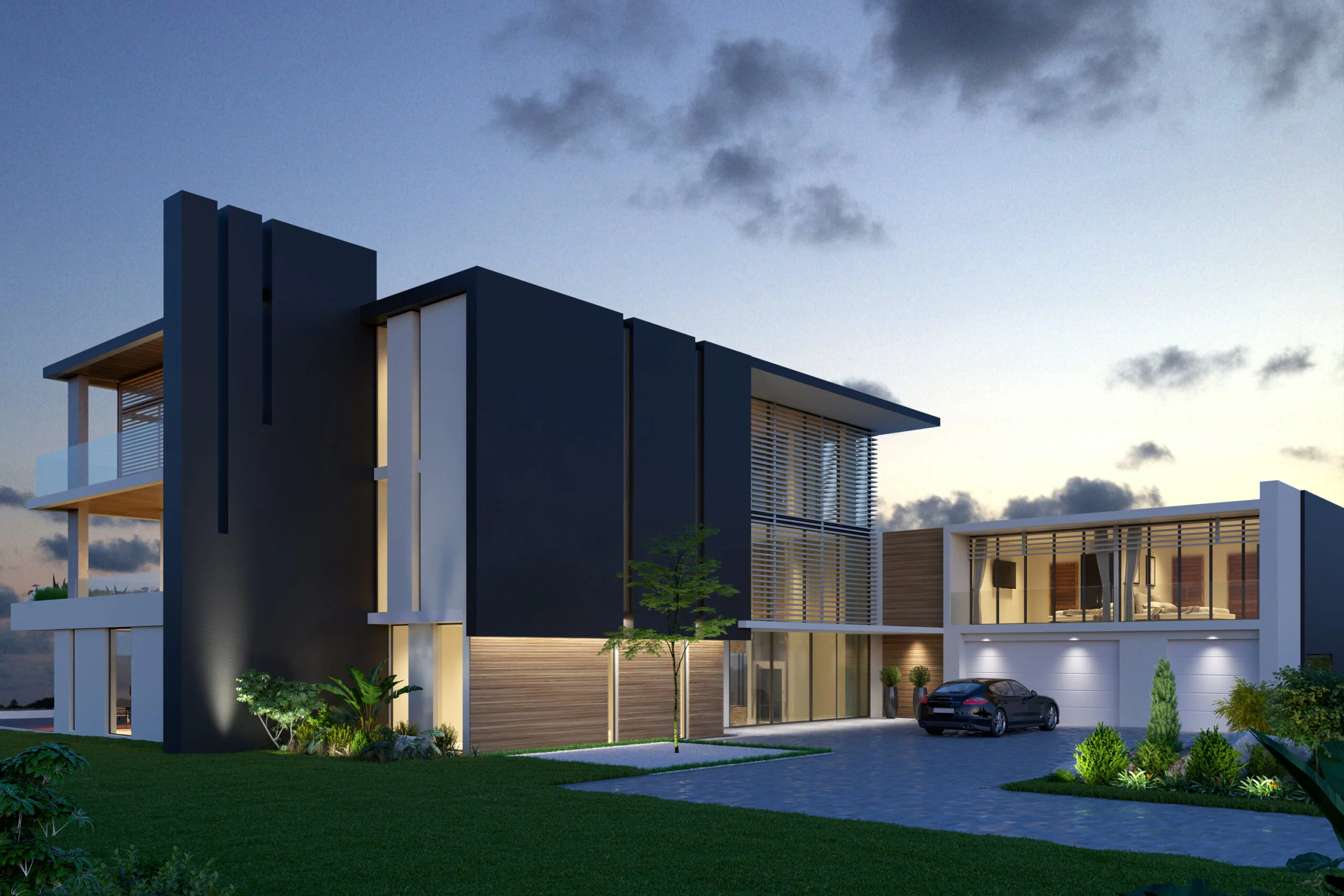
More than any single product. In the southern hemisphere the main living spaces face north to collect low winter sun, with overhangs calculated to exclude the high summer sun. The same glass then warms the house in July and stays shaded in January.
West facing glass presents the opposite case. It takes low afternoon sun in summer, when the house already sits at its warmest, and returns little in winter. So in energy efficient home design the west elevation is where shading, glazing performance and room placement work hardest.
What does the building envelope actually do?
It decides how much of the heat you gained or paid for stays inside. Four elements carry it.
- Ceiling and roof insulation. The largest single loss in a South African house, and the most cost effective item here.
- Glazing. Double glazing with a low emissivity coating and thermally broken frames transforms a heavily glazed elevation.
- Wall construction. Insulated cavity walls substantially outperform single skin masonry.
- Airtightness. Sealing the junctions around doors, windows and service penetrations, which costs almost nothing during construction.
Where does thermal mass fit?
Mass stores heat and releases it slowly. A concrete slab in a north facing room gathers sun through the day and returns it into the evening, flattening the swing between afternoon and night. On the Highveld, where that swing runs wide, it remains one of the most effective passive tools available.
Mass works where the sun reaches it and an insulated envelope wraps it. That combination, sun on mass inside insulation, sits at the core of energy efficient home design in this climate.
Which systems suit an energy efficient home design?
Once the building needs less, the equipment shrinks and the choices get easier.
- Water heating. Historically the largest electrical load in a home, which heat pumps and solar water heating both displace substantially.
- Lighting. LED throughout, zoned and controlled.
- Ventilation. Cross ventilation drawn into the plan, so cooling means opening a window rather than running a compressor for most of the year.
- Generation. Photovoltaics matched to the reduced load, with storage covering what the household actually needs to run.
What can be improved in an existing home?
A great deal, and a renovation is the moment to do it. Ceiling insulation first. Then glazing on the elevations losing most. Then sealing the gaps, then water heating. Work already under way absorbs each of these easily, and each one compounds the next.
Frequently Asked Questions
What is energy efficient home design?
Designing the building so it needs less energy to stay comfortable, through orientation, shading, insulation, glazing and thermal mass, before anyone specifies a mechanical system.
Which way should a house face in South Africa?
Main living spaces face north, with overhangs cut to admit low winter sun and exclude high summer sun. Service spaces and circulation work well on the south.
Is double glazing worth it in South Africa?
On heavily glazed elevations and in colder or windier regions, yes. We assess it per elevation against the solar gain and heat loss on that face.
Does an energy efficient house cost more to build?
The design decisions cost nothing. Envelope upgrades carry a cost, which we weigh against running cost, comfort and the smaller mechanical systems they allow.
How much can running costs be reduced?
The largest reductions come from displacing water heating and cutting heating and cooling demand through the envelope, which together account for most of a household’s consumption.
Kevin Els Architects designs private homes around orientation, envelope and comfort, and improves existing houses through renovations and additions. To discuss energy efficient home design for a new build or an existing house, get in touch to speak to Kevin directly. The Green Building Council South Africa sets the environmental performance standards that South African buildings work to.